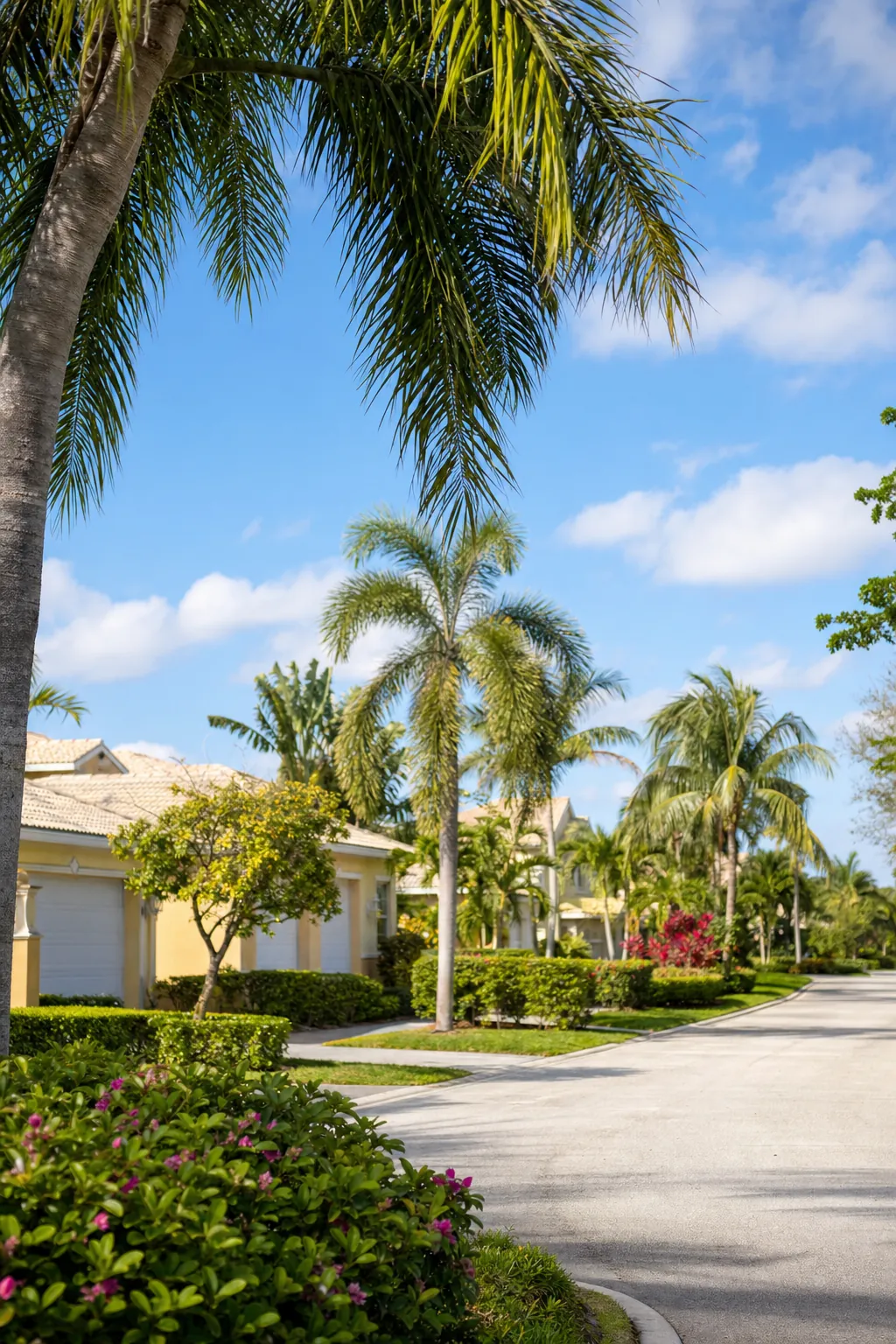
Moving from Connecticut to Florida can be an opportunity to make daily life feel lighter, warmer, and more intentional. It can also be a complicated long-distance decision. The best move is not built around the first listing that catches your eye. It starts with the routines, responsibilities, and setting you want your next home to support, then uses those priorities to make each Palm Beach County comparison clearer.
1. Define the Florida life you want to build
Start with ordinary life, not a listing alert. You may want a lower-maintenance home, outdoor space that you will use all year, a community with a social rhythm, room for visiting family, or easy access to an airport. Someone moving full time has different needs from someone planning a seasonal home or a gradual transition. Write down the few conditions that would make a Florida home feel genuinely useful after the novelty wears off.
Then picture a typical Tuesday. Where would you buy groceries, exercise, see friends, get medical care, or meet a guest arriving at the airport? That exercise turns broad preferences into practical search criteria. Dale’s South Florida relocation guide is a helpful place to organize those early decisions before booking a scouting trip.
2. Give the move a sequence, not a deadline panic
A Connecticut-to-Florida move involves two homes, two sets of obligations, and usually several trips. Decide early whether you will sell, keep, rent, or gradually phase out of your Connecticut home. If you plan to sell, leave room for preparation, storage, showings, and a timeline that does not force a rushed Florida purchase.
A useful order is simple: set priorities, narrow areas, make a focused visit, arrange financing or a sale, then work through inspections, closing, and first-month tasks. Carrying costs in both places for a short period is not always ideal, but it can create the breathing room needed to choose well. If selling is part of your plan, Dale’s seller guidance explains why early presentation work can shape a buyer’s first impression.

3. Compare Palm Beach County by your routine
Florida is not one experience, and Palm Beach County is not one market. Delray Beach can appeal to buyers who enjoy a lively downtown and coastal energy. Boca Raton may suit people looking for established neighborhoods, amenities, and nearby services. Boynton Beach, Lake Worth Beach, Palm Beach Gardens, Jupiter, and inland communities each offer a different balance of home style, privacy, activity, and travel convenience.
Use a visit to test what maps cannot show. Drive the route to the airport, medical care, a grocery store, or the beach. Notice how the area feels on a weekday morning and after dinner. Buyers considering lower-maintenance or socially connected living can use Dale’s 55+ communities overview to compare amenities, upkeep, fees, and rules alongside the homes themselves.
4. Make each scouting trip do real work
Trying to see every available home in one trip usually leaves buyers with a blur of addresses. A more useful visit begins with a short list of areas and home types that already match your priorities. That creates time to experience what surrounds each home, not just the staged rooms inside it.
Visit at more than one time of day when you can. Keep notes on the things that are hard to remember later: parking, outdoor living, guest space, maintenance, community activity, and the feel of the route to everyday errands. For a closer look at location-specific choices, Dale’s guides to 55+ communities in Boca Raton and active-adult communities in Palm Beach Gardens offer useful questions to bring along.

5. Budget for ownership, not just the offer price
The monthly picture includes more than a mortgage payment. Build a working budget that includes property taxes, homeowners insurance, utilities, maintenance, association fees where they apply, moving costs, travel while you search, and the costs of furnishing or repairs after closing. If you will own homes in Connecticut and Florida at the same time, make that overlap visible in the plan.
Home type affects the tradeoff. A condo, villa, or active-adult community may reduce some exterior work while adding dues, approvals, and rules. A single-family home can offer more privacy and flexibility while asking more of you in maintenance and weather preparation. Dale’s buyer guidance can help keep that comparison tied to the responsibility you want to carry, not only the filters on a search site.
6. Evaluate Florida conditions early
Weather, insurance, and maintenance belong in the search from the beginning. Ask about roof age, windows, shutters or other protective features, drainage, flood-zone information, prior repairs, and the property’s insurance history. Your inspector and insurance professional can advise on a specific home, but raising the questions early gives you more control before a property becomes emotionally important.
The State of Florida’s Plan & Prepare resources are a sound starting point for household supplies, communication, and evacuation planning. Hurricane season officially runs from June 1 through November 30. Good preparation is useful year-round, especially for a home you may leave unattended for part of the year.

7. Read community documents before the decision feels urgent
When a property sits in a condominium, homeowners association, or active-adult community, the documents deserve the same attention as the floor plan. Request them early enough to read without pressure. Look for policies on leasing, pets, parking, exterior changes, guest access, reserve funding, maintenance, and any approval process that could affect your timing.
The goal is not to avoid every community. A well-run association can make low-maintenance living much easier. The point is to understand the arrangement before you are committed. Dale’s Palm Beach County 55+ homes guide can help you frame the questions when community living is part of your plan.
8. Plan the first month before the moving truck arrives
Once Florida becomes your residence, several practical tasks deserve early attention. The Florida Highway Safety and Motor Vehicles new-resident information explains current requirements for driver licensing, vehicle titles, registration, and insurance. Use it as a starting point, then confirm the details that apply to your household.
If the home will be your permanent residence, review the Florida Department of Revenue’s property-tax exemption guidance and speak with the county property appraiser about timing and eligibility. Arrange utilities, internet, prescriptions, banking, mail forwarding, insurance contacts, and a few dependable local services before move-in. Keep important documents, medication, chargers, and account details with you.
9. Decide what comes with you and what belongs in the next home
A move south is a useful moment to edit, not simply transport, the way you live. Measure rooms and storage before paying to move every piece of furniture. Think about guest needs, outdoor space, hobbies, and whether the home will be used seasonally or year-round. A smaller, lower-maintenance property can still feel generous when the layout supports the way you actually spend time.
Make a three-part list: items that must move, items that need a Florida-specific place before they move, and items that are easier to sell, donate, or replace. That list helps you compare homes more honestly. It also makes the final moving estimate more useful, because it reflects the home and lifestyle you are choosing rather than the house you are leaving.
10. Protect time for the decisions that cannot be changed later
Finishes can be updated. A location that makes everyday life harder, a maintenance burden you did not want, or community rules that conflict with your plans are more difficult to solve. When you are down to two or three homes, compare them in writing. Include location, recurring costs, inspection findings, outdoor space, association details, guest needs, and the routines you tested during your visit.
That comparison does not remove every uncertainty, but it helps separate a strong long-term fit from a home that merely photographed well. It also gives the people advising you, from your lender and inspector to your agent, a clearer view of the questions that still need answers before you commit.
11. Keep the professionals in their proper lanes
A good relocation plan uses local knowledge without asking one person to answer every question. Your agent can help you compare homes, neighborhoods, and community fit. A lender can explain financing choices. An inspector can assess a property’s visible condition. Insurance, tax, legal, and residency questions belong with the qualified professionals who advise on those subjects. Bringing questions forward early makes the process more orderly and gives you time to understand the answers.
It is also a practical safeguard for long-distance buyers. Rather than trying to resolve every concern during a busy showing weekend, you can identify which details require documents, estimates, or professional review before the decision becomes time-sensitive, costly, or needlessly stressful for your household.
12. Use local context to choose with confidence
Online research is useful, but it cannot show you which route feels inconvenient at rush hour, whether a community fits your preferred pace, or how a home works for a lock-and-leave plan. Local context helps remove choices that never belonged in the search, so your visit can focus on homes and communities that do.
Dale has lived in South Florida since 1997 and works with buyers, relocation clients, second-home shoppers, and people exploring active-adult communities. Her background and credentials reflect a practical approach: define the life you want, then let every visit and comparison serve it.
Planning your Florida move?
Make your Palm Beach County visit count.
Talk through your priorities, timing, and the areas that deserve a closer look before you travel.
Call Dale (754) 366-3636Send Dale a message →Questions people ask
Moving to Florida from Connecticut FAQ
What should I do first when moving from Connecticut to Florida?+
Start by defining how you expect to use the Florida home, then build a short list of areas and a realistic timeline. That gives every tour, budget decision, and moving task a useful purpose.
How long does a Connecticut-to-Florida move take?+
A long-distance home search often benefits from several months. Allow time to compare areas, make a focused visit, review homes and community documents, complete inspections, close, and handle move-in tasks without rushing.
What costs should Connecticut buyers plan for in Florida?+
Look beyond the purchase price. Include insurance, property taxes, utilities, maintenance, association fees where they apply, travel during the search, moving costs, and any period of overlap between homes.
Can Dale help before I travel to Palm Beach County?+
Yes. Dale can begin with your preferred pace, home type, budget, and timeline, then help you choose the Palm Beach County areas that make a scouting trip more useful.