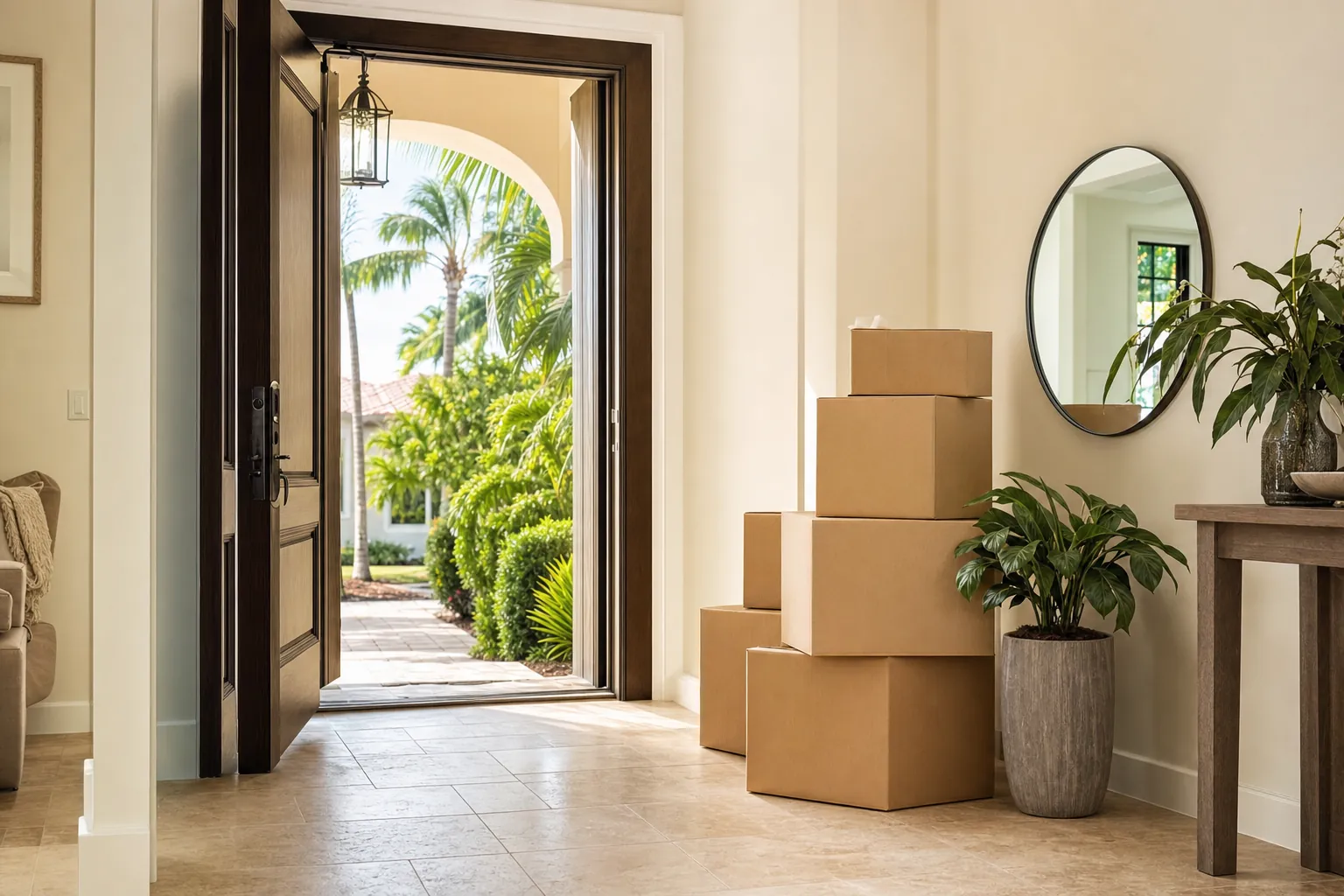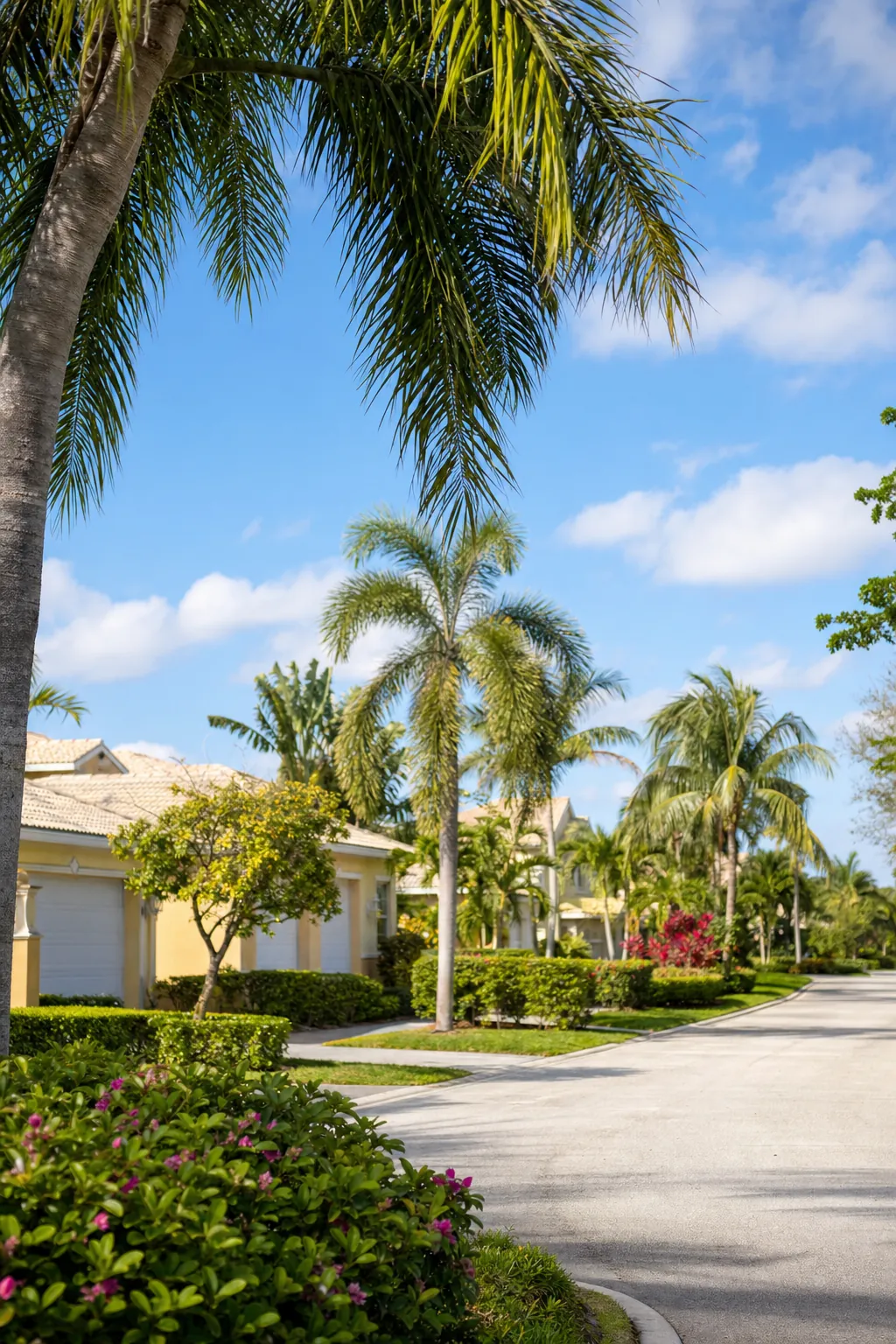
Moving from California to Florida can look simple from a distance: warmer weather, a new home, and a fresh routine. In practice, the strongest move is the one that makes everyday life easier after the excitement of the change has worn off. This guide helps you plan the transition with Palm Beach County in mind, whether Florida will become your full-time home, a seasonal base, or the next stage of a gradual move.
1. Begin with what you want to make easier
Before comparing listings, name the parts of life you want the move to improve. You may be looking for more time outdoors, a simpler home, room for visiting family, easier access to the airport, a lower-maintenance lifestyle, or a community where it is natural to meet people. Those priorities matter more than a broad wish list because they give every location and property a practical test.
Think about an ordinary Tuesday rather than a vacation week. Where will you buy groceries, exercise, see friends, get medical care, catch a flight, or spend a quiet afternoon? Do you want an active downtown nearby, a quieter residential setting, a condo that reduces exterior chores, or a home with more privacy and outdoor space? A place can look perfect online and still make those routines harder than they need to be.
Dale’s South Florida relocation guide is a useful place to turn broad preferences into a focused Palm Beach County search before you choose travel dates.
2. Give the California side of the move a real timeline
A long-distance move is easier when the home you are leaving receives the same attention as the one you hope to buy. Decide early whether you will sell, keep, rent, or gradually transition from your California home. If a sale is part of the plan, give yourself time for repairs, presentation, storage, and a realistic listing period. A rushed exit can turn a thoughtful Florida search into an unnecessary deadline.
Build the move around a simple sequence: define your lifestyle priorities, narrow the areas worth visiting, make a focused scouting trip, arrange financing or a sale, then work through the contract, inspection, moving, and first-month tasks. If your budget permits a little overlap, it can create valuable breathing room. You will be able to respond to the right Florida property without forcing every decision into the same week.
If selling is part of your plan, Dale’s seller guidance explains why early preparation can make a home’s first impression stronger when buyers begin comparing options.
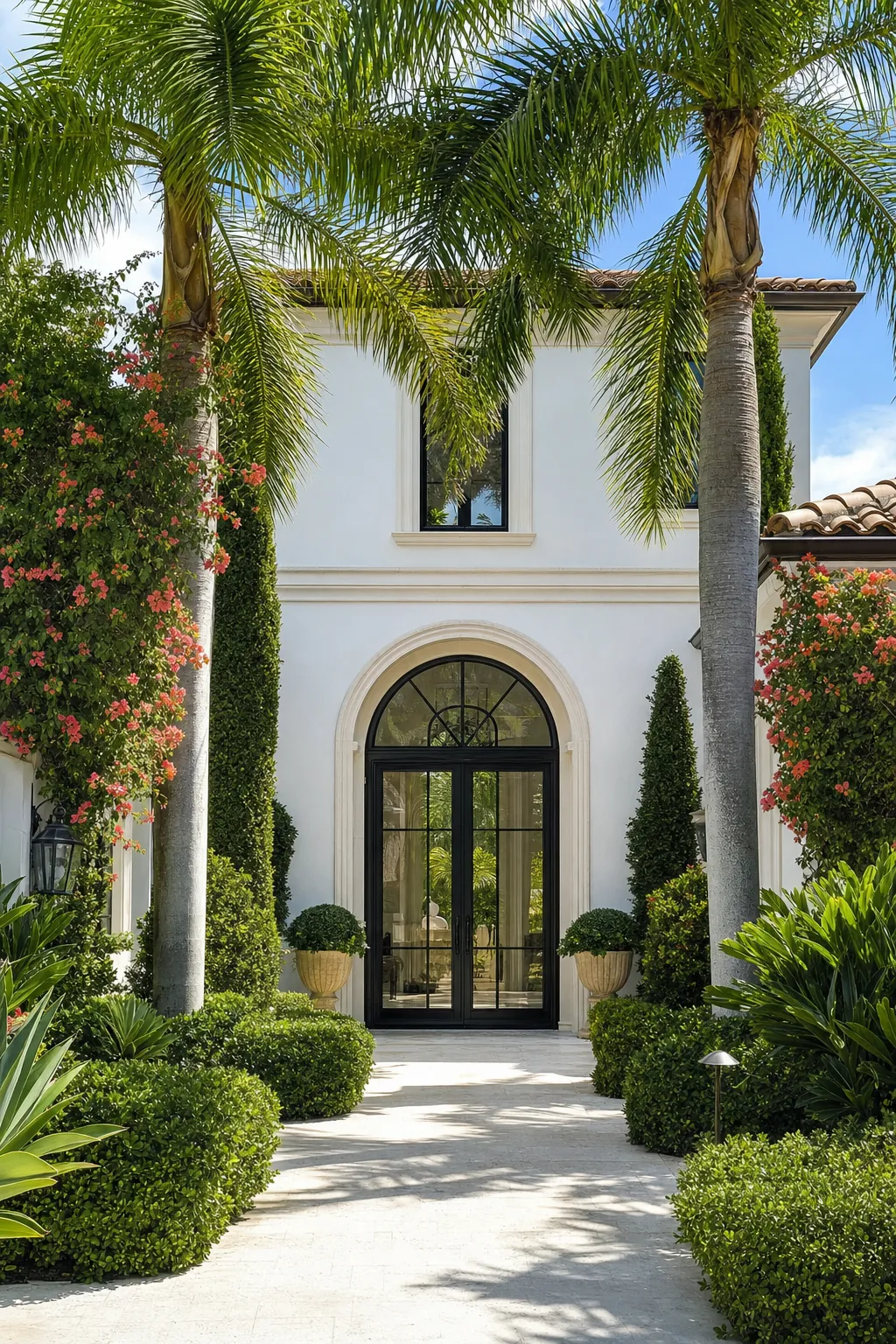
3. Compare Palm Beach County by routine, not reputation
California buyers often know South Florida through a few familiar names or a winter visit. Treat those names as a starting point, not a conclusion. The right location is the one that supports the routines you care about after you have unpacked: travel, dining, healthcare, recreation, family visits, errands, and the amount of activity you want around you.
Delray Beach may appeal to buyers who want coastal energy and an active downtown. Boca Raton can suit people who value established neighborhoods, polished amenities, and convenient services. Boynton Beach, Lake Worth Beach, and inland communities offer different mixes of pace, home style, privacy, and day-to-day convenience. There is no universal best area. Your best fit depends on how you want an average week to feel.
Before you visit, make a list of the places you expect to use most. Drive the route to the airport. Stop at a grocery store you would actually choose. Notice the distance to healthcare, restaurants, the beach, or family. Buyers considering a lower-maintenance or socially connected next chapter can use Dale’s 55+ communities overview to compare lifestyle, upkeep, amenities, fees, and community rules before narrowing the list.
4. Make your first Florida visit do real work
A focused scouting trip is usually more useful than trying to see every available listing. Start with a short list of areas and home types that already fit your priorities, then leave time between appointments. You want to drive the routes, stop for coffee or groceries, and see whether a neighborhood works beyond a staged living room.
Visit at more than one time of day when you can. Morning traffic, late-afternoon light, weekend activity, and the drive to the airport or a medical office can reveal much more than a map. After each stop, make a few notes about the things that are hard to judge online: guest space, outdoor living, maintenance level, parking, community energy, association rules, and how easily you can imagine a normal Tuesday there.
For active-adult options, Dale’s Delray Beach guide, Boca Raton guide, and Boynton Beach guide give you useful local comparison points before you travel.
5. Build a budget for Florida life, not only a purchase
A purchase price does not tell you the whole monthly story. Include property taxes, homeowners insurance, utilities, maintenance, association fees, travel during the search, moving costs, and any work or furnishing you expect after closing. If you will keep your California home for a period of time, include that overlap rather than treating it as an unwelcome surprise.
Home type changes the calculation. A condominium, villa, or active-adult community may reduce some exterior responsibilities while adding association dues, application procedures, and community rules. A single-family home can offer more privacy and flexibility while asking more of you in maintenance, landscaping, and weather preparation. Neither is automatically better. The right choice depends on the level of responsibility you want to carry.
Dale’s buyer guidance keeps those comparisons tied to the way you plan to live, which is a better decision tool than square footage alone. When a community is part of the decision, ask for its documents early. Budget, reserves, maintenance obligations, rental rules, pet rules, guest policies, parking, and approval processes all shape what ownership feels like after closing.

6. Look at Florida homes with Florida conditions in mind
South Florida weather and insurance belong in the home decision from the start. Ask about roof age, windows, shutters or other protective features, drainage, flood-zone information, prior repairs, and the home’s insurance history. Your inspector and insurance professional can advise on a specific property, but bringing those questions into the search early gives you more control.
The State of Florida’s Plan & Prepare guidance is a sensible starting point for household supplies, communication, and evacuation readiness. Florida’s hurricane season runs from June 1 through November 30, though a practical household plan is useful throughout the year.
Insurance deserves the same early attention. Coverage, deductibles, wind-related features, and required documentation can vary by property. Understanding the questions before a home becomes emotionally important is far easier than trying to resolve them in the final days before closing.
7. Compare community life, not just the home
For many California buyers, the meaningful choice is not only between one Florida house and another. It is a decision about privacy, activity, maintenance, and connection. A single-family neighborhood can offer independence and flexibility. A condo, villa, or active-adult community may simplify exterior upkeep and make it easier to meet people, while also asking you to understand association rules and fees.
Look beyond a clubhouse or polished entrance. Notice sidewalks, parking, upkeep, guest policies, and how shared spaces are used on an ordinary day. Ask for association documents early enough to read them without pressure. Pay attention to leasing, pets, exterior changes, reserves, maintenance responsibilities, and any approval process that affects your timeline.
A well-run community can make a long-distance move feel easier. The right one is the community whose tradeoffs fit your preferred way of living, not the one with the longest amenity list. Dale’s Palm Beach County 55+ homes guide gives buyers a county-wide starting point when this type of home is part of the search.
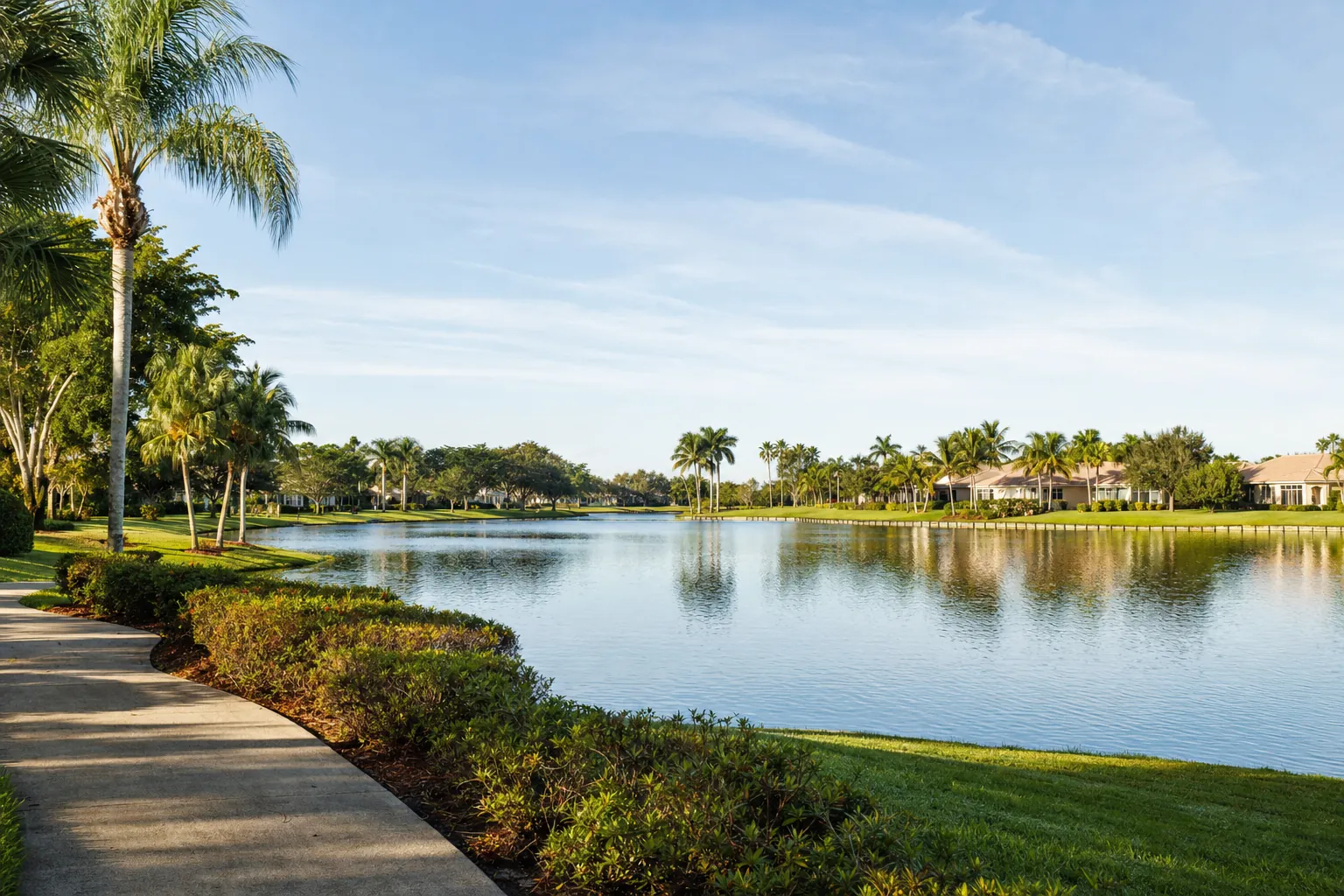
8. Prepare for residency and the first month
When Florida becomes your residence, several practical tasks may need attention. The Florida Highway Safety and Motor Vehicles new-resident information explains current requirements for driver licensing, vehicle titles, registration, and insurance. Use it as a starting point, then confirm the details that apply to your household and timing.
If the Florida home will be your permanent residence, review the Florida Department of Revenue’s property-tax exemption guidance and speak with the county property appraiser about eligibility and timing. Primary-residence rules can matter, but they do not apply automatically to every owner or property. A qualified tax or legal professional can help you understand the choices that apply to your move.
Before the truck arrives, line up the essentials that make a home functional: utilities, internet, prescriptions, banking, insurance contacts, mail forwarding, and a few reliable local services. Keep important documents, medication, chargers, and account details with you rather than in a box that may arrive later. For a second home or gradual move, decide who will check the property while you are away and how you will handle mail, maintenance, weather alerts, and service appointments.
9. Keep the final decision connected to the life you want next
Long-distance buyers can feel pressure to decide quickly when a home checks several boxes. A clear decision does not have to be slow, but it should leave room to review the details that will still matter after the showing. Revisit the location, recurring costs, maintenance needs, inspection findings, association documents, and the routines you tested while visiting.
Separate must-haves from preferences. A kitchen can be updated. A location that makes daily life inconvenient, a home that requires more maintenance than you want, or rules that conflict with your plans are harder to solve. A short written comparison of the two or three homes that remain serious can protect the decision from becoming all feeling and no perspective.
It also helps to name the tradeoffs you are happy to make before the search becomes emotional. You may be willing to drive farther for a quieter setting, pay an association fee for less exterior work, or choose a smaller home that keeps the places you enjoy close by. Knowing which tradeoffs feel worthwhile makes it much easier to recognize the right home when it appears.
10. Use local context to make the move personal
Online research is useful, but it cannot show you which route becomes inconvenient at rush hour, how a community feels on a quiet weekday, or whether a particular home style works for a lock-and-leave plan. Local context helps remove the options that do not belong in your search, so you can spend more of your visit on the choices that genuinely fit.
Dale has lived in South Florida since 1997 and works with buyers, relocation clients, second-home shoppers, and people exploring active-adult communities. Her background and credentials reflect a practical approach: start with the life you want, then make every visit and comparison serve that plan.
Planning your Florida move?
Make your Palm Beach County visit count.
Talk through your priorities, timing, and the areas that deserve a closer look before you travel.
Call Dale (754) 366-3636Send Dale a message →Questions people ask
Moving to Florida from California FAQ
How far ahead should I plan a move from California to Florida?+
Most long-distance moves benefit from several months of planning. That gives you time to clarify the life you want, narrow the places worth visiting, arrange financing or a sale when needed, and handle the move without rushing the home decision.
Is Palm Beach County a good fit for California buyers?+
Palm Beach County can suit buyers looking for warm weather, coastal access, varied neighborhoods, established services, and active-adult communities. The right area depends on your preferred pace, home upkeep, travel needs, and the routines you want close by.
What should I budget beyond the price of a Florida home?+
Include property taxes, homeowners insurance, association fees when they apply, utilities, maintenance, travel during the search, moving costs, and any work or furnishing you expect after closing. A complete monthly picture makes it easier to compare homes honestly.
Should I visit Florida before buying a home?+
An in-person visit is extremely valuable because it lets you experience neighborhoods, traffic, errands, and community atmosphere that listing photos cannot show. Start with a focused shortlist so your trip creates useful comparisons instead of a blur of addresses.
Can Dale help before I travel from California?+
Yes. Dale can start with a conversation about your lifestyle, home type, timing, and the Palm Beach County areas that fit your plans. That makes an eventual visit more focused and gives you a clearer way to compare homes and communities.