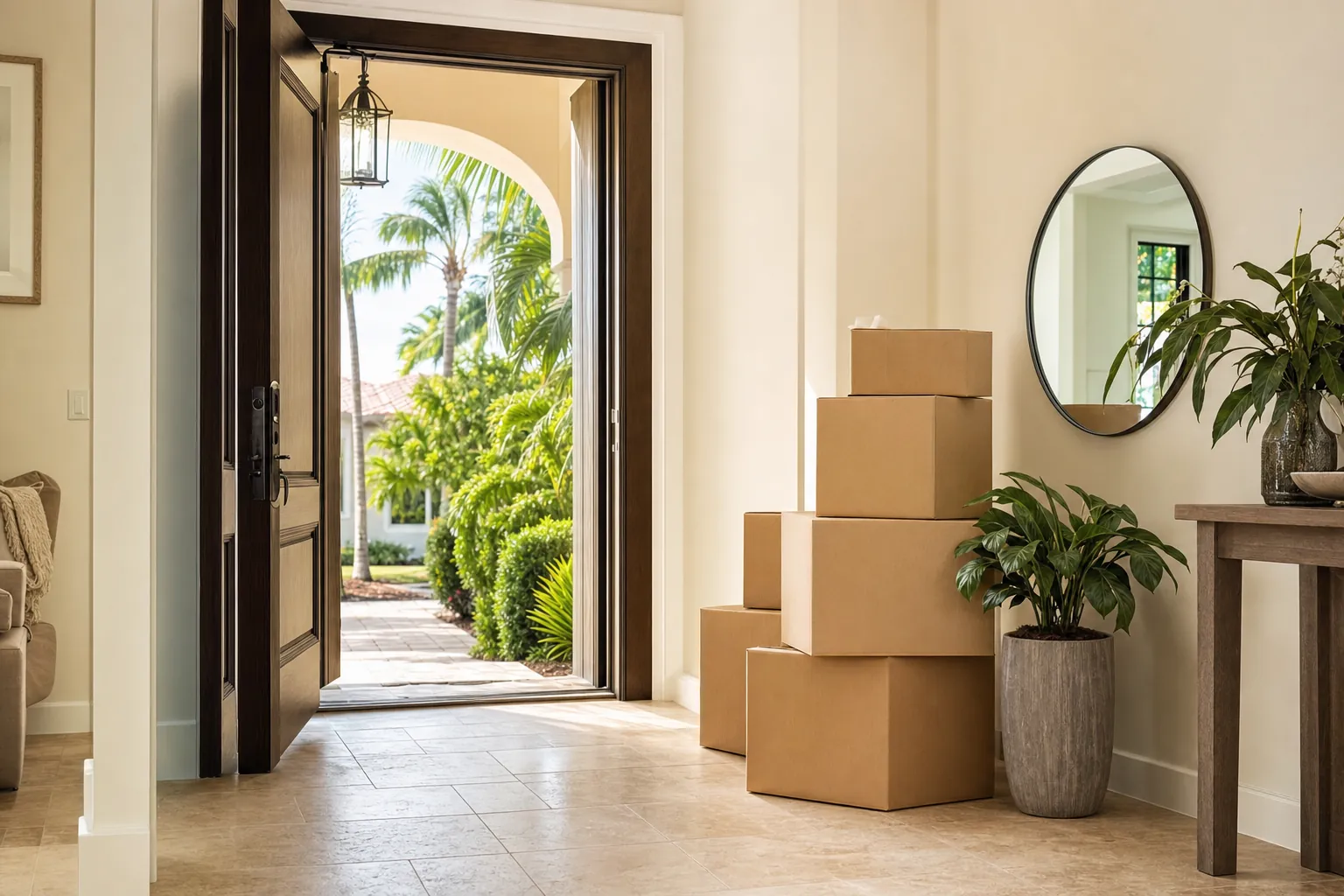
A move to Florida is a chance to rethink both your home and your routine. The strongest plans do not begin with a listing alert. They begin with the practical decisions that make a new place work once the boxes are gone. This moving to Florida checklist gives you an order of operations, with extra context for people considering Palm Beach County.
Start with the life you want to build
Before comparing homes, name the parts of daily life that matter most. A beach-adjacent setting, a walkable downtown, lower-maintenance living, time with family, room for guests, proximity to an airport, or a social community can all lead to very different choices. Put those priorities in order. It is easier to evaluate a home when you know what it must support.
Think through timing, too. Are you planning a full-time move, a seasonal home, or a gradual transition? Will you need space for visiting family? Are you hoping to lock and leave for stretches of the year? Your answers help shape the home type, location, association rules, and maintenance arrangement that make sense.
For a Palm Beach County move, Dale’s South Florida relocation guide is a useful place to organize the lifestyle conversation before you make a scouting trip.
1. Build a realistic move calendar
Work backward from the date you want to be comfortably settled, not just the date you want to arrive. Home tours, offers, inspections, lender requirements, association approvals, movers, utilities, and address changes all take time. A simple calendar protects you from treating every decision as an emergency.
Break the plan into three windows: research and touring, home purchase or lease steps, then move-in and state paperwork. If you are selling a home elsewhere, build in a little overlap if your budget allows. That breathing room can make a long-distance move far less stressful.
2. Make a shortlist of areas, not just homes
Florida is not one experience. A home can look right online and still feel wrong when you factor in the drive to everyday errands, the pace of the neighborhood, seasonal traffic, or the type of recreation you want nearby. Narrow your first visit to a few areas that deserve a closer look.
In Palm Beach County, that may mean comparing the energy of Delray Beach or Boca Raton with the convenience and range of neighborhoods around Boynton Beach or Lake Worth. Give yourself time to visit at more than one point in the day. A morning coffee stop, a grocery run, and an evening drive often tell you more than a quick pass through a community entrance.
Buyers exploring a later-life move can use Dale’s 55+ communities overview to frame the comparison around lifestyle, home maintenance, amenities, and daily convenience, rather than only square footage.
3. Set your housing budget beyond the purchase price
Your monthly housing picture may include more than a mortgage or rent payment. Include insurance, property taxes, utilities, maintenance, association fees, and, for some communities, application or transfer costs. A lower-maintenance home can be a strong fit, but it is still important to understand what is included and what remains your responsibility.
Ask direct questions about recurring costs while you are touring. If you are considering a condo, villa, or community with an association, review the documents and rules with care. The goal is not to avoid every tradeoff. It is to choose the tradeoffs you are happy to live with.
Dale’s buyer guidance can help you focus a search on how you intend to live, not just on a set of online filters.
4. Plan for Florida insurance and weather realities
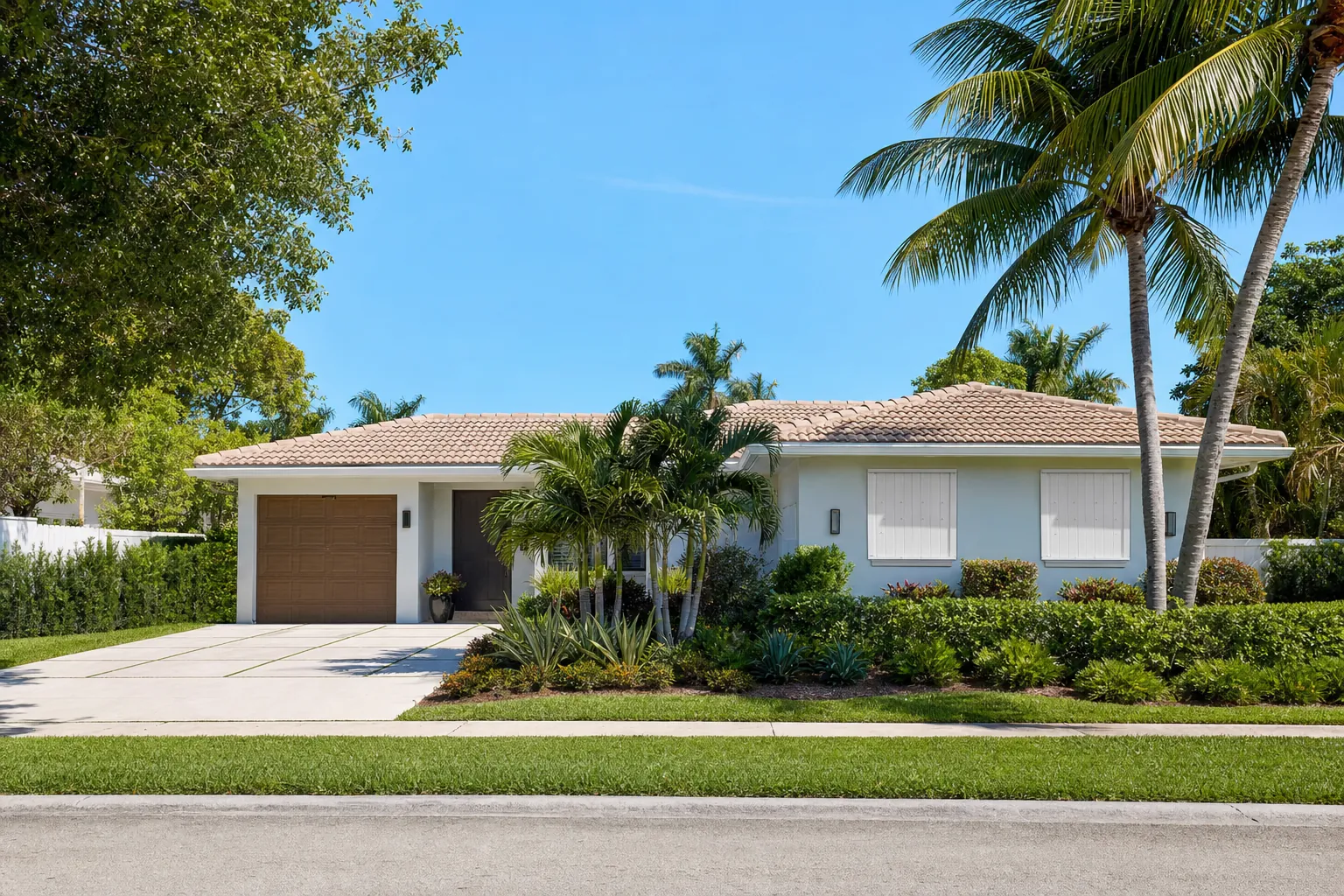
Florida weather is part of the home decision. Ask about the age and condition of the roof, windows, shutters or other protections, drainage, flood-zone status, and prior repairs. Your insurance professional can explain the coverage and documentation that apply to a specific property, while an inspector can help you understand the home’s physical condition.
Build your household preparedness plan early. The State of Florida’s Plan & Prepare resources can help you think through supplies, communication, and evacuation planning before storm season is on your doorstep. Hurricane season officially runs from June 1 through November 30, but a sensible preparation routine is useful year-round.
5. Create a first-week essentials list
Moving days are easier when the first week is already mapped out. Set up utilities, internet, prescriptions, banking, mail forwarding, insurance contacts, and a short list of local providers before you arrive. Keep key documents, chargers, medications, and important account details with you, not buried in a moving truck.
For a second home or seasonal residence, decide who will check on the property when you are away and how you will handle mail, maintenance, storm notices, and service appointments. These are small details until they are not. A clear plan protects your time and your peace of mind.
6. Handle Florida residency and vehicle tasks promptly
Once Florida becomes your residence, do not leave the administrative tasks until the end of the move. The Florida Highway Safety and Motor Vehicles new-resident guide explains the current requirements for driver licenses, vehicle titles, registration, and insurance. It is the right starting point for understanding which steps apply to your situation and when.
As a practical rule, keep a dedicated folder for the documents you will need and confirm appointment availability before you arrive. A few minutes of preparation can keep a simple task from taking multiple trips.
7. Learn how homestead and property taxes may apply
Florida property taxes and exemptions are local matters with important eligibility rules. If you will make a Florida home your permanent residence, review the Florida Department of Revenue’s property-tax exemption guidance and speak with the county property appraiser about timing and documentation. A qualifying homestead exemption can reduce the taxable value of a primary residence, but it does not apply automatically to every owner or every type of property.
For a seasonal or second home, your tax and residency choices may be different. Bring questions early to the professionals who advise you so the home purchase and your longer-term plan stay aligned.
8. Visit communities with a decision list in hand
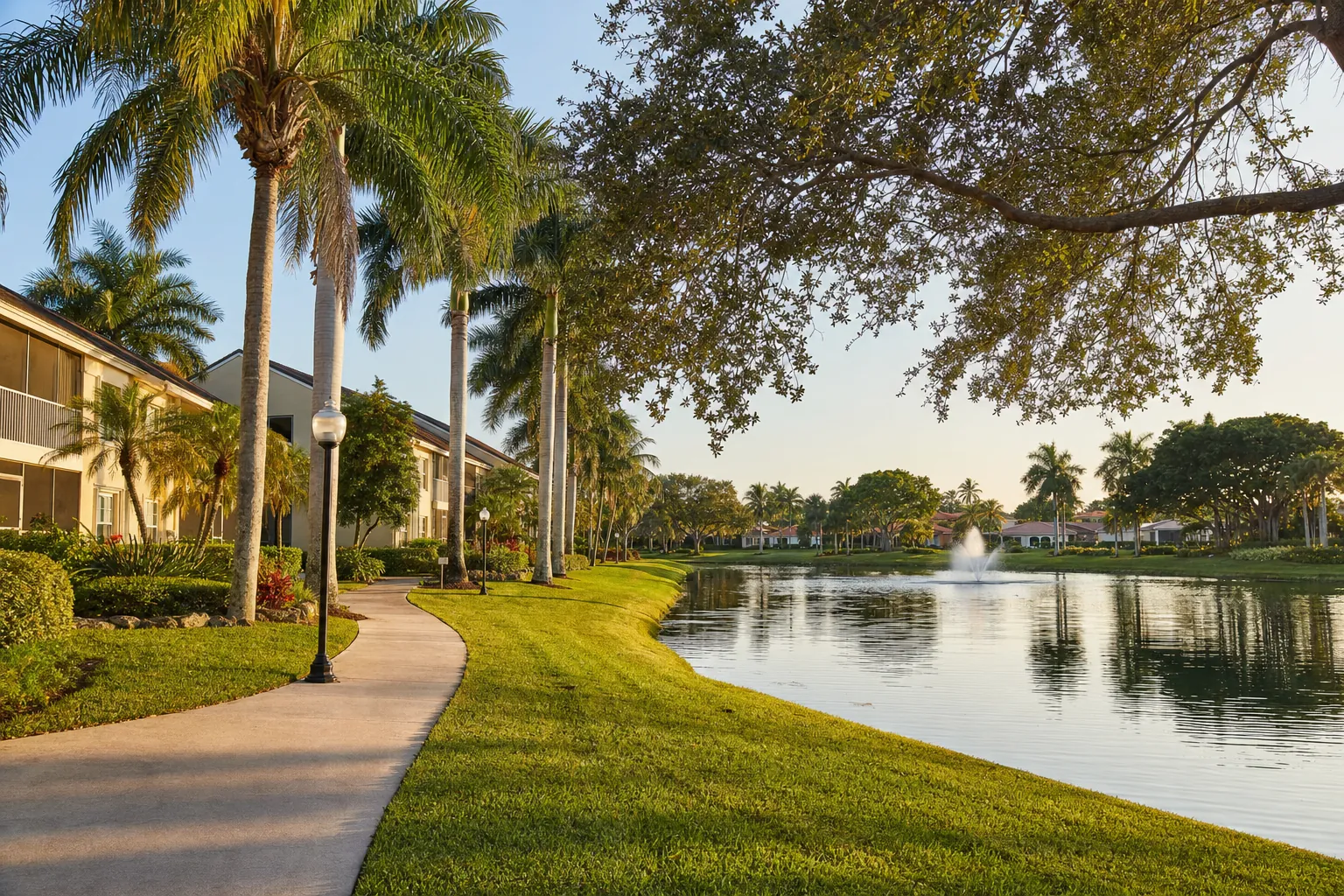
A community tour works better when you know what to observe. Look beyond the model home or listing photos. Notice the sidewalks, landscaping, parking, guest policies, lighting, community activity, building upkeep, and the practical distance to the places you will use most. If you are considering an active-adult community, ask how amenities, clubs, maintenance, and association rules work in everyday life.
Bring a short written scorecard so you can compare impressions after a full day of touring. It should include the items that are hard to judge from a listing: how the area feels, whether the home’s maintenance level fits your plans, and whether the community makes your next chapter easier or more complicated.
9. Decide what you will keep, move, and replace
Florida homes often invite a different way of living. That does not mean you need to start over, but it is worth measuring the rooms and storage before you pay to move everything. Consider your furniture, guest needs, outdoor space, and how frequently you expect to entertain. A thoughtful edit before the move can make a new home feel calmer on day one.
If you are selling before you move, preparation matters there as well. Dale’s seller guidance explains her presentation-led approach, shaped by home-staging experience and the details that influence a buyer’s first impression.
10. Test the routines that matter most
A new address is only part of a successful move. Before you commit, think through the routes and services that will shape an ordinary Tuesday. For some people, that means easy access to healthcare, a preferred grocery store, a nearby airport, or a familiar type of fitness and recreation. For others, it means having family close enough for regular visits or a neighborhood where it feels natural to meet people.
Write down the handful of routines you do not want to make harder. Then test them while you visit. Drive the route to a medical office or airport. Stop at the grocery store you would actually use. Walk the neighborhood after dinner. These small checks help you see beyond a property’s finishes and decide whether the setting supports the life you are moving to Florida to enjoy.
11. Read community documents before you fall in love with a home
When a home sits in a condominium, homeowners association, or active-adult community, the rules and financial details deserve as much attention as the floor plan. Ask for the documents early enough to read them without pressure. Look for policies on leasing, pets, parking, exterior changes, guest access, reserve funding, ongoing maintenance, and any approval process that could affect your timeline.
The purpose is not to make every community feel risky. A well-run association can make low-maintenance living much easier. The point is to understand the arrangement before you are emotionally committed to the property. A good fit should support your preferred level of involvement, spending, privacy, and freedom to use the home the way you intend.
12. Use a local guide to make each visit count
Long-distance buyers often try to see everything in one trip. That can leave you with a blur of listings and very little clarity. A more useful visit starts with the decisions you have already made about lifestyle, home type, budget, and location, then concentrates on the homes and communities that genuinely fit. You can spend more time asking the right questions and less time driving between options that were never likely to work.
Share your must-haves, deal breakers, timeline, and questions before you arrive. Dale can help you compare Palm Beach County options in the context of your plans, whether you are seeking a primary residence, a second home, or a lower-maintenance community for the next chapter.
13. Keep your home search personal
Online research is a helpful first pass, but it cannot tell you whether a home supports the way you want to spend your time. The best search narrows the noise. It gives you room to ask better questions, compare real options, and make a decision without rushing toward the first property that looks good on a screen.
Dale has lived in South Florida since 1997 and works with buyers, relocation clients, second-home shoppers, and people exploring active-adult communities. Her background and credentials reflect a practical, relationship-first approach to the process.
Planning a Palm Beach County move?
Begin with the questions that make a place feel right.
Talk through your priorities, timing, and the areas you want to understand before your next visit.
Call Dale (754) 366-3636Send Dale a message →Questions people ask
Moving to Florida FAQ
How much time should I allow to move to Florida?+
A move with a home search usually benefits from several months of planning, especially when you are comparing more than one area. Use the first phase to narrow your lifestyle priorities, then leave room for touring, inspections, closing details, and move-in tasks.
What should I do first after moving to Florida?+
Start with the time-sensitive state and local tasks that apply to you, including your driver license, vehicle registration, insurance, utilities, and mailing address. Then turn to the routines that make a new place feel settled, such as medical care, grocery options, routes, and local services.
Do I need to live in Florida full time to buy a home there?+
No. Many buyers purchase a second home or seasonal residence in Florida. Your ownership, tax, insurance, and residency choices can be different from those of a full-time resident, so it is worth confirming the details that apply to your situation with the appropriate professionals.
What should I compare when choosing a Palm Beach County community?+
Compare the home itself with the life around it: maintenance expectations, amenities, association rules and fees, everyday errands, healthcare access, travel convenience, and how the area feels at the times of day you expect to use it most.
Can Dale help before I am ready to visit Florida?+
Yes. Dale can begin with a conversation about the lifestyle, home type, timing, and Palm Beach County areas that fit your plans, then help you make a visit more focused when the time is right.
